
5 Motivo Mobile Billboards Alternatives for Local Campaigns
Last Updated: October 26, 2026
Quick Summary
A motivo mobile billboards alternative includes LED mobile billboard trucks with digital screens for flexible messaging, vinyl billboard trucks for cost-effective static displays, and transit advertising options like bus-side placements and street furniture displays that reach local audiences.
- LED mobile billboard trucks allow real-time message changes and video content display for high-traffic areas
- Vinyl billboard trucks offer a cost-effective static display option for mobile campaigns
- Bus-side advertising and street furniture placements capture foot traffic in high-density neighborhoods
- Texas Mobile Advertising has completed over 1,400 mobile billboard campaigns with LED and glass-walled vehicles
- Evaluate providers by fleet size, geographic coverage, creative support, contract flexibility, and performance reporting
Table of Contents
- Why Businesses Seek Mobile Billboard Alternatives
- LED Mobile Billboard Trucks: Digital Impact and Real-Time Flexibility
- Vinyl Mobile Billboard Trucks: Cost-Effective Static Display Options
- Mobile Billboard Advertising Cost: Comparing Pricing Models Across Providers
- Beyond Mobile Trucks: Street-Level and Transit Advertising Alternatives
- Mobile Billboard Campaign Measurement: Tracking Performance and ROI
- Choosing the Right Provider: Evaluation Checklist and Next Steps
- Frequently Asked Questions
Why Businesses Seek Mobile Billboard Alternatives
When your advertising message gets lost in the noise, it’s time to reconsider where you’re placing it. Traditional static billboards and outdated media channels often fail to capture attention in crowded markets, especially when competing against dozens of other messages. Businesses seeking mobile billboard alternatives may be looking for visibility.

The shift toward mobile billboard advertising reflects a fundamental change in how audiences consume information. Rather than hoping people notice a fixed location, mobile campaigns bring your message directly to target audiences in high-traffic areas. At Texas Mobile Advertising, we provide mobile billboard and advertising vehicle solutions.
Businesses explore alternatives for several reasons. Budget constraints push some toward cost-effective options. Others need flexibility to adjust their message or route in real time. Many simply want to test mobile advertising against their current spend on radio, television, or traditional billboard placements.
The real question isn’t whether to switch, it’s which alternative makes sense for your specific campaign goals, timeline, and budget.
LED Mobile Billboard Trucks: Digital Impact and Real-Time Flexibility
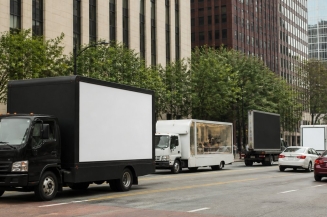
Digital mobile billboards powered by LED screens represent the most dynamic option for brands needing to change messaging quickly or showcase video content. These vehicles feature LED screens for showcasing video and image ads.
LED mobile billboard trucks excel when your campaign requires flexibility.
LED screens can showcase video and image ads. For campaigns targeting commute zones or high-foot-traffic areas, mobile billboard advertising offers a way to display a message to audiences in those areas.
To find out the advantages between static and digital mobile billboard ads, and to understand which option suits your business goals, you can explore the direct comparison. This helps clarify whether the investment in LED technology aligns with your campaign strategy and target audience behavior.
Vinyl Mobile Billboard Trucks: Cost-Effective Static Display Options
Vinyl billboard trucks are one mobile billboard option.
Mobile Billboard Advertising Cost: Comparing Pricing Models Across Providers
Pricing depends on quantity, dates, and delivery.
For specific pricing on mobile billboard advertising, contact Texas Mobile Advertising for a quote.
A common mistake is comparing only the daily vehicle rate without factoring in total impressions, route effectiveness, or audience reach.
Beyond Mobile Trucks: Street-Level and Transit Advertising Alternatives
Mobile billboard trucks represent one approach, but other street-level and transit advertising options deserve consideration depending on your target audience and campaign goals.
Bus-side advertising places your message on the exterior of public transportation vehicles. These buses travel fixed routes through neighborhoods, reaching commuters and pedestrians daily. Street furniture advertising, bus shelters, kiosks, and sidewalk displays, captures foot traffic in high-density areas. Transit advertising works well for local campaigns where your audience uses public transportation or frequents specific neighborhoods.
Contact Us Now for a Free Consultation →
Guerrilla marketing and experiential activations offer creative alternatives when you need to generate buzz around a product launch or event. These approaches often combine mobile elements (vehicles, portable displays) with interactive experiences that encourage audience engagement and social media sharing.
The choice between mobile billboard trucks and these alternatives depends on your target audience location, campaign duration, and desired engagement level.
Mobile Billboard Campaign Measurement: Tracking Performance and ROI
Measuring mobile billboard campaigns can involve metrics and attribution methods.
To understand how advanced tracking tools and digital transformation can boost your campaign ROI, explore how modern measurement approaches enhance performance visibility. This guidance helps you set up proper attribution before your campaign launches.
Choosing the Right Provider: Evaluation Checklist and Next Steps
Selecting the right mobile billboard provider requires evaluating several key factors beyond price alone. Start by assessing whether the provider’s available vehicle formats suit your campaign.
Geographic coverage matters. Ask whether the provider serves your target area.
Creative capabilities and campaign support are worth evaluating. Determine which level of support matches your team’s capacity.
To discover how to evaluate providers systematically and avoid common mistakes, review the detailed provider selection framework and contract considerations. This resource walks through the evaluation checklist step by step.
Additionally, learn the 10 most common mistakes businesses make when launching mobile digital billboard campaigns, so you can structure your approach to avoid costly missteps.
Texas Mobile Advertising has completed more than 1,400 mobile billboard advertising vehicle campaigns and offers LED digital trucks and glass-walled display vehicles.
| Evaluation Factor | What to Assess | Why It Matters |
|---|---|---|
| Fleet Size & Format | Number of vehicles available; LED vs. vinyl options | Determines campaign scale and creative flexibility |
| Geographic Coverage | Service areas and route planning capability | Ensures vehicles reach your target audience |
| Creative Support | Design services, route consultation, reporting | Reduces your team’s workload and improves results |
| Contract Flexibility | Minimum commitment; cancellation terms | Allows you to adjust campaign scope if needed |
| Pricing Transparency | Clear daily rates; additional fees disclosed | Prevents budget surprises and enables fair comparison |
| Performance Reporting | Metrics provided; attribution methodology | Lets you measure ROI and justify continued investment |
Contact Texas Mobile Advertising for a free consultation.
Texas Mobile Advertising provides high-impact mobile billboard and advertising vehicle solutions.
Frequently Asked Questions
What are the main alternatives to Motivo mobile billboards?
Alternatives include mobile billboard trucks, traditional static billboards, transit advertising (bus-side and shelter ads), street furniture advertising, and guerrilla marketing tactics. Your choice depends on campaign duration, geographic target, budget, and message format requirements.
How does mobile billboard advertising cost compare to traditional billboards?
Pricing depends on quantity, dates, and delivery specifics. Contact Texas Mobile Advertising for a quote.
Are LED mobile billboard trucks more effective than vinyl trucks?
Texas Mobile Advertising offers LED digital mobile billboard trucks and vinyl billboard trucks. Contact the company to discuss your campaign.
How do I measure if a mobile billboard campaign is actually working?
Campaign measurement can include comparing relevant business metrics before, during, and after a campaign. Establish baseline metrics before launch.
